Triple Pane vs. Double Pane Windows: Which Is Right for Your Home?
Compare double-pane and triple-pane windows by energy efficiency, cost, insulation performance, noise reduction and climate suitability to help determine the right option for your home.

KEY TAKEAWAYS
- Replacing single-pane windows with double-pane options can significantly improve energy efficiency, comfort, and noise reduction, making it a worthwhile upgrade for most homeowners.
- Triple-pane windows offer superior insulation and soundproofing, making them ideal for extreme climates or long-term homes, but they come with a higher upfront cost.
- Upgrading to ENERGY STAR certified windows not only lowers energy bills but also reduces your home's carbon footprint, contributing to a more sustainable future.
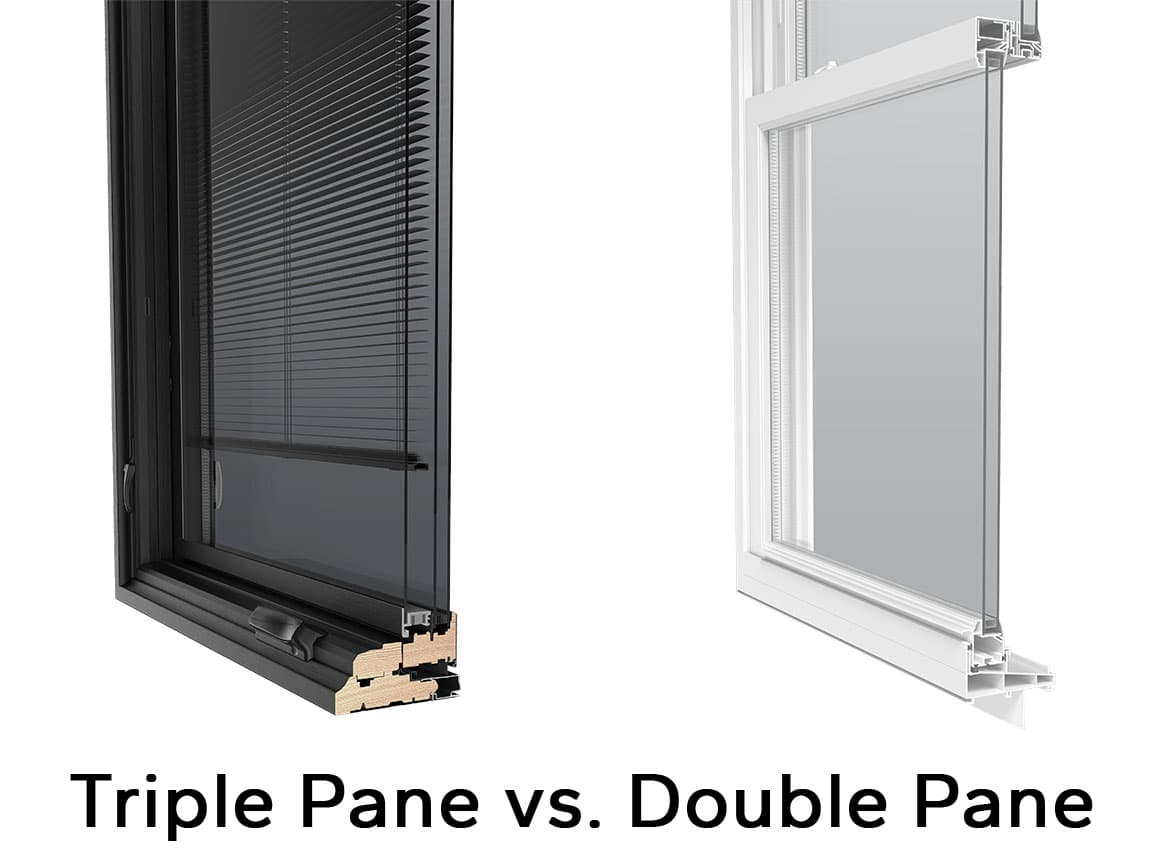
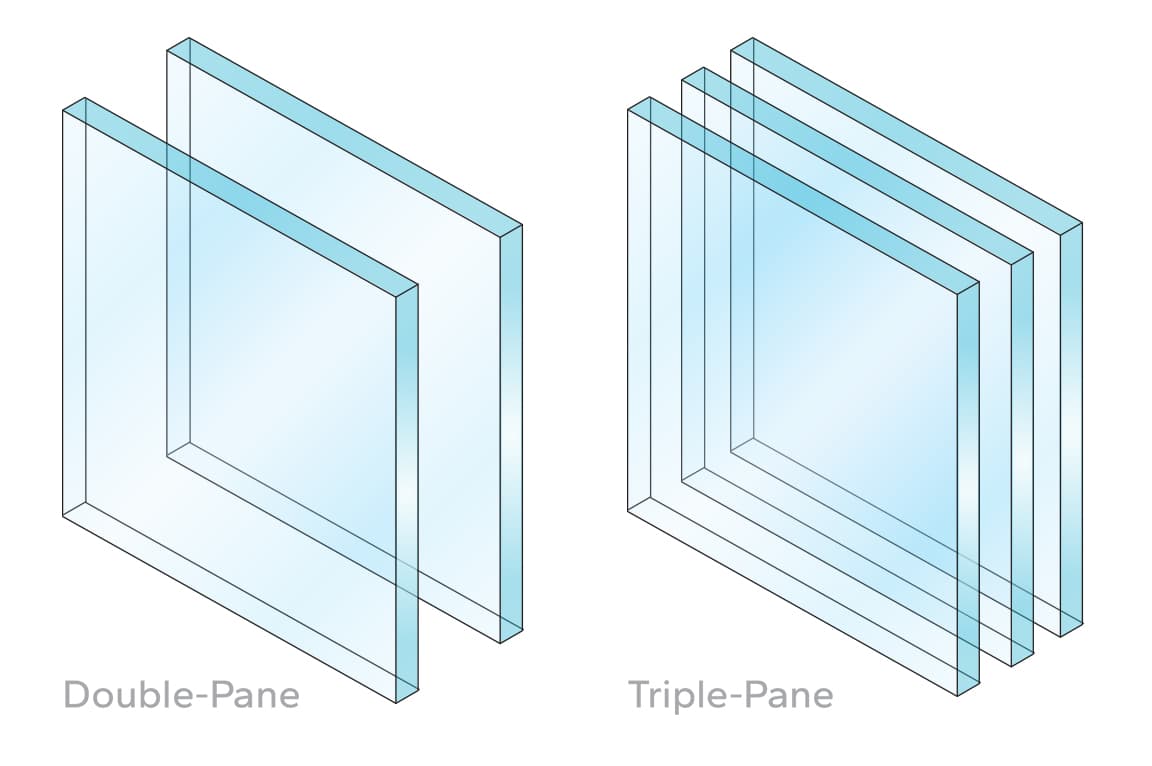
Double-pane and triple-pane windows both improve insulation, comfort and energy efficiency compared to older single-pane windows. The primary difference is the number of layers of glass and insulating airspace within the unit. Double-pane windows use two panes of glass, while triple-pane windows use three panes for additional thermal performance and sound control. Triple-pane windows may provide better insulation in colder climates or noisy environments, while double-pane windows often provide a strong balance of performance and cost for many homes.
What Is the Difference Between Double-Pane and Triple-Pane Windows?
When shopping for replacement windows, understanding how glass packages work can help you compare performance, comfort and long-term value. Double-pane and triple-pane windows are both designed to reduce heat transfer compared to older single-pane windows, but they differ in construction, insulation levels and overall performance.
Double-Pane Windows
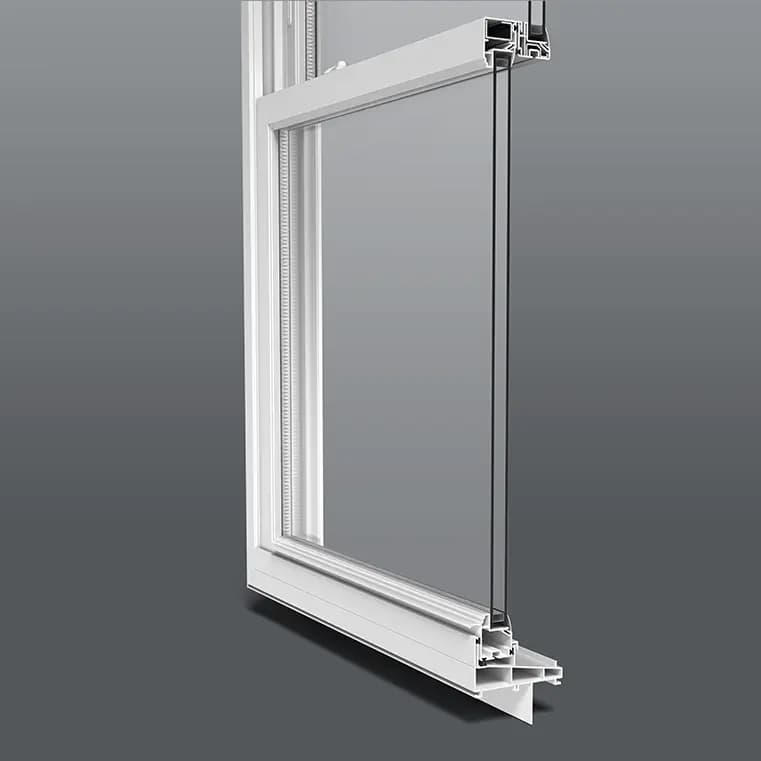
Double-pane windows contain two layers of glass separated by an insulating space that is often filled with argon gas. This design helps reduce heat transfer, improve indoor comfort& and limit outside noise compared to single-pane windows. Double-pane windows are commonly used in modern homes because they provide improved efficiency without substantially increasing overall window weight or frame depth.
Typical double-pane window performance may include:
- R-values ranging from approximately R-3 to R-5
- Lower U-factors than single-pane windows
- Improved resistance to drafts and condensation
- Better sound control than single-pane windows
Triple-Pane Windows
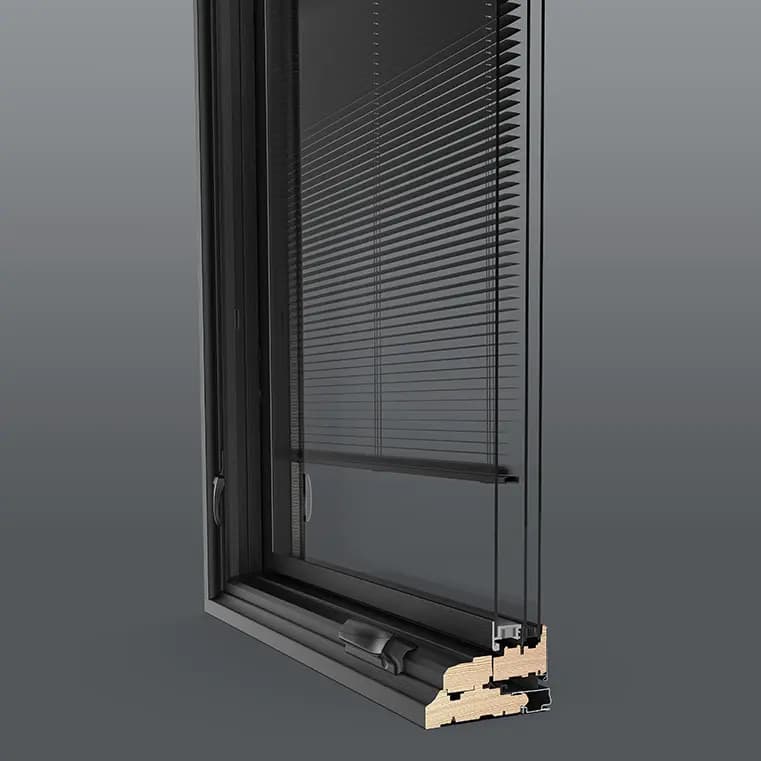
Triple-pane windows include three layers of glass with insulating gas between each pane. The additional pane and insulating space can further reduce heat transfer and outside noise. Triple-pane windows are often selected for colder climates, homes near busy roads or airports and homeowners prioritizing maximum energy efficiency.
Typical triple-pane window performance may include:
- R-values ranging from approximately R-6 to R-9
- Improved thermal performance compared to double-pane windows
- Enhanced sound reduction
- Increased weight due to the additional pane of glass
How Do Double-Pane and Triple-Pane Windows Compare?
| Feature | Double-Pane Windows | Triple-Pane Windows |
| Glass Layers | Two panes of glass | Three panes of glass |
| Approximate R-Value | R-3 to R-5 | R-6 to R-9 |
| Energy Efficiency | Improved insulation compared tosingle-pane | Higher insulation performance |
| Noise Reduction Weight | Reduces outside noise | Additionalsound reduction |
| Weight | Standard window weight | Can be significantly heavier |
| Cost | Lower upfront investment | Typically costs more upfront |
| Best Use Cases | Moderate climates and balanced budgets | Cold climates and noise-sensitive areas |
Key Takeaway
Double-pane windows offer strong overall performance for many homes, while triple-pane windows may provide additional insulation and sound control in colder climates or high-noise environments.
Cost Differences Between Double-Pane and Triple-Pane Windows
Triple-pane windows typically cost more upfront than comparable double-pane windows due to the added materials and manufacturing complexity. Triple-pane windows often cost approximately 10–15% more than comparable double-pane configurations. Actual pricing will vary based on window size, material, glass options and installation requirements.
Weight and Installation Considerations
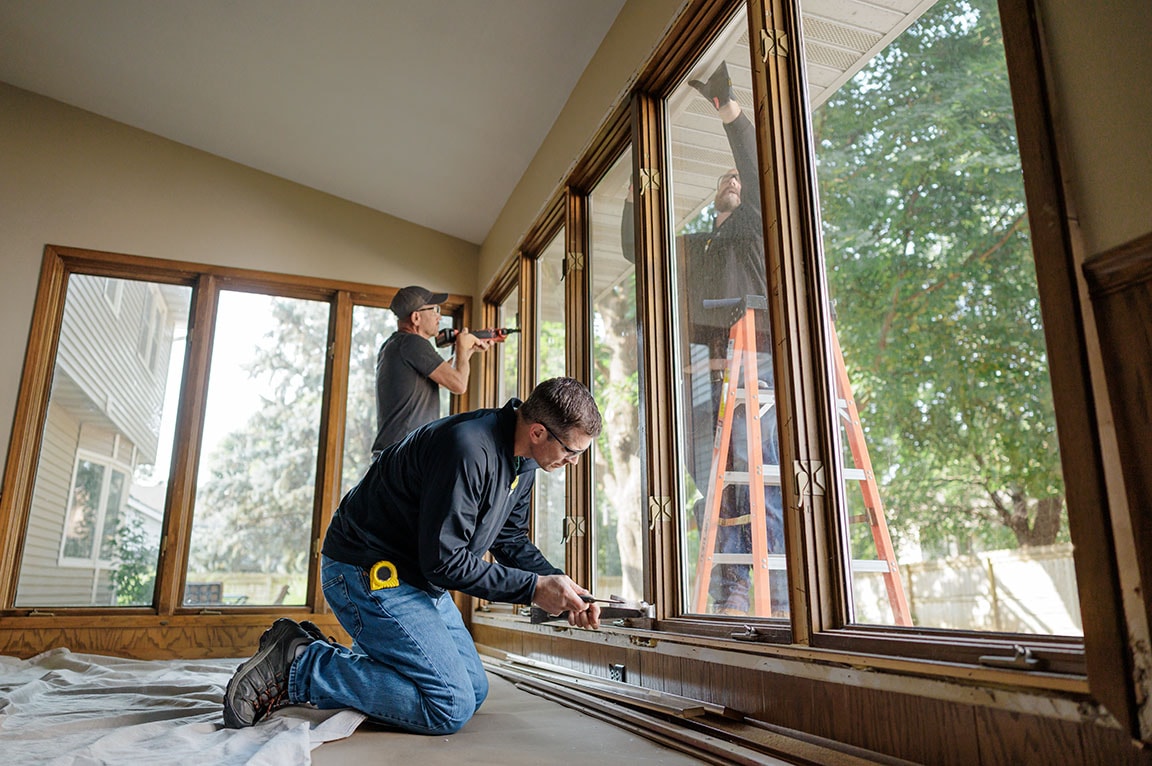
Because triple-pane windows contain an additional layer of glass, they are generally heavier than double-pane windows of the same size. Heavier units may require additional structural considerations during installation, particularly for larger window openings or upper-floor applications. Frame depth may also increase slightly depending on the product line and configuration.

Are Triple-Pane Windows Worth It?
For some homeowners, triple-pane windows may be worth the additional upfront investment. The decision often depends on climate, home location, long-term plans and comfort priorities.
Triple-pane windows may make sense if you:
- Live in a colder climate with long winters
- Experience significant outside noise from highways, airports or urban environments
- Plan to stay in your home long-term
- Prioritize maximum insulation and indoor comfort
- Want to reduce drafts and condensation near windows
Double-pane windows may be the better choice if you:
- Live in a moderate climate
- Want improved efficiency at a lower upfront cost
- Are replacing multiple windows on a tighter budget
- Want a balance between performance and affordability
In many homes, double-pane windows provide substantial energy-efficiency improvements compared to older single-pane windows. However, triple-pane windows may offer additional benefits in regions with more extreme temperatures or higher heating demands.
What About Single-Pane Windows?
Single-pane windows contain only one layer of glass and are commonly found in older homes. Some older single-pane windows may include storm windows for additional protection, but they generally provide less insulation than modern insulated glass units.
Compared to double- and triple-pane windows, single-pane windows may:
- Allow more heat transfer
- Be more prone to drafts and condensation
- Provide limited sound reduction
- Contribute to higher heating and cooling demands
Replacing older single-pane windows with insulated double-pane or triple-pane options may improve comfort, reduce drafts and support more consistent indoor temperatures.
Benefits of Upgrading Your Windows
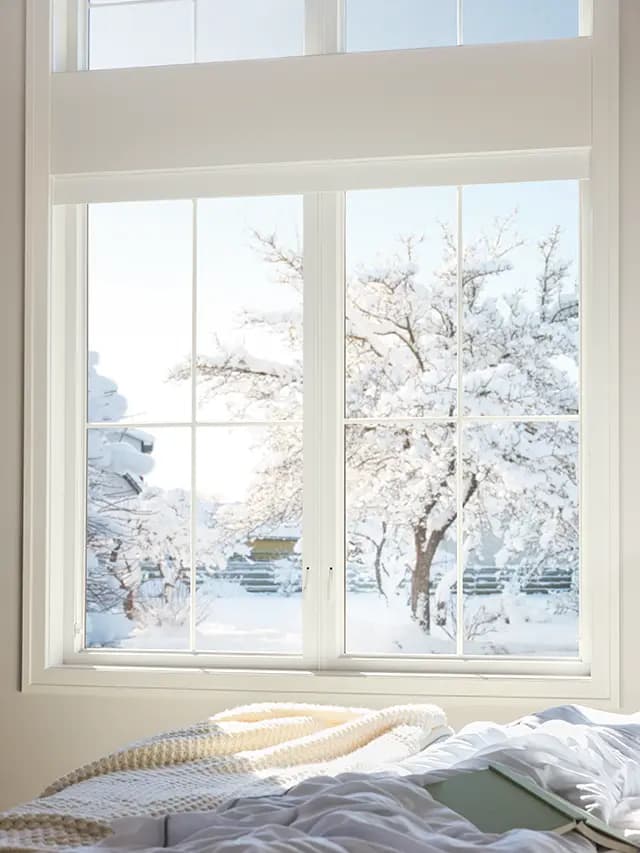
Upgrading from older single-pane windows to modern double- or triple-pane windows can improve more than just energy efficiency. Advanced glass packages are designed to help create a more comfortable indoor environment by reducing drafts, improving temperature consistency and limiting outside noise. Depending on the window type and climate, upgraded windows may also support lower energy usage and improved overall home performance.
Improved Energy Efficiency
Double-pane and triple-pane windows are designed to help reduce heat transfer compared to older single-pane windows. ENERGY STAR® states that replacing single-pane windows with ENERGY STAR certified windows may help lower household energy bills depending on climate region and home condition.

Better Indoor Comfort
Additional panes of glass and insulating gas layers can help reduce drafts and improve interior temperature consistency throughout the year. Some homeowners also notice reduced condensation during colder weather conditions.
Noise Reduction
Double-pane windows may help reduce outside noise compared to single-pane windows, while triple-pane windows can provide additional sound control in particularly noisy areas. Actual sound performance will vary based on glass thickness, frame material and overall window design.
Environmental Benefits
According to ENERGY STAR®, replacing single-pane windows with ENERGY STAR certified windows may reduce household carbon emissions depending on the home and climate region.
How to Choose the Right Glass Package for Your Home
- If you live in a colder northern climate, triple-pane windows may provide additional insulation benefits.
- If you live in a moderate climate and want strong overall value, double-pane windows may provide the best balance of efficiency and affordability.
- If outside noise is a concern, triple-pane windows may help improve sound reduction in bedrooms, offices and street-facing rooms.
- If budget is the primary factor, double-pane windows can still provide a major improvement over older single-pane windows.
- If you plan to stay in your home long-term, the additional performance of triple-pane windows may be worth considering.
Ready to Upgrade?
Upgrading your windows can improve comfort, insulation and overall home performance. Whether you choose double-pane or triple-pane windows, selecting the right glass package depends on your climate, budget and long-term goals.
Schedule a free consultation to explore window options designed for your home and region.
Frequently Asked Questions
What is the R-value of double-pane vs. triple-pane windows?
How much more do triple-pane windows cost compared to double-pane?
Are triple-pane windows heavier than double-pane windows?
Do triple-pane windows reduce noise?
Triple-pane windows may provide improved sound reduction compared to double-pane windows because of the additional layer of glass and insulating airspace. Actual sound performance varies by window design and glass configuration.