Bay Windows vs. Bow Windows: What's the Difference?
Expand your space beyond the walls of your home with a bay or bow window. Explore the difference between these styles and the benefits and costs of each.

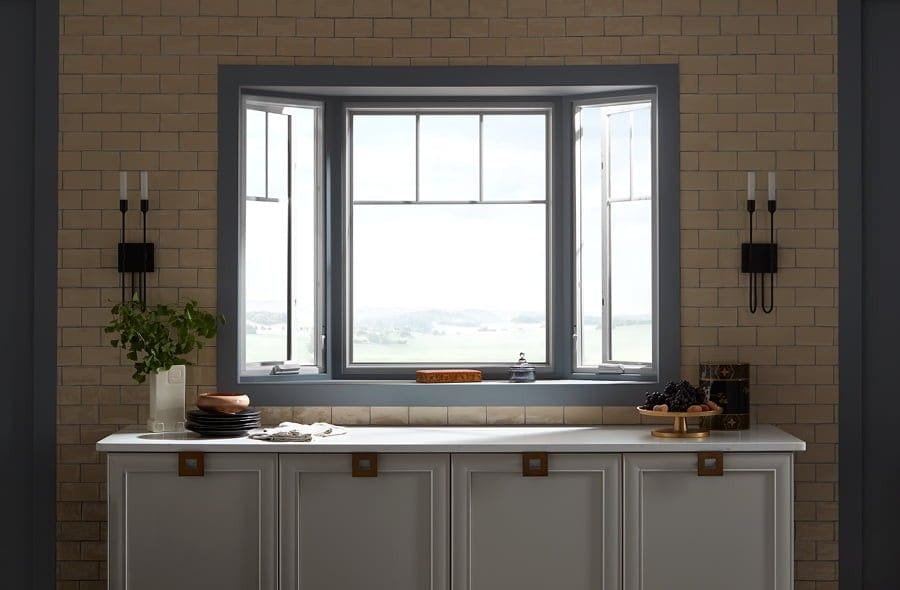
KEY TAKEAWAYS
- Bay windows consist of three windows and are more angular, while bow windows have four or more windows creating a subtle curve.
- Both window types expand space, add natural light, and can be used in various home styles and rooms.
- Bow windows typically cost more due to custom creation and installation requirements, but both options are available in multiple materials and sizes.
Bay and bow windows are great for giving your space a little extra flair and functionality. They both feature elegant curves that add a stylish touch to your home while also letting in plenty of natural light and improving airflow. At first glance, they might look pretty similar, but they actually have some key differences, most importantly, the number of windows in each setup.
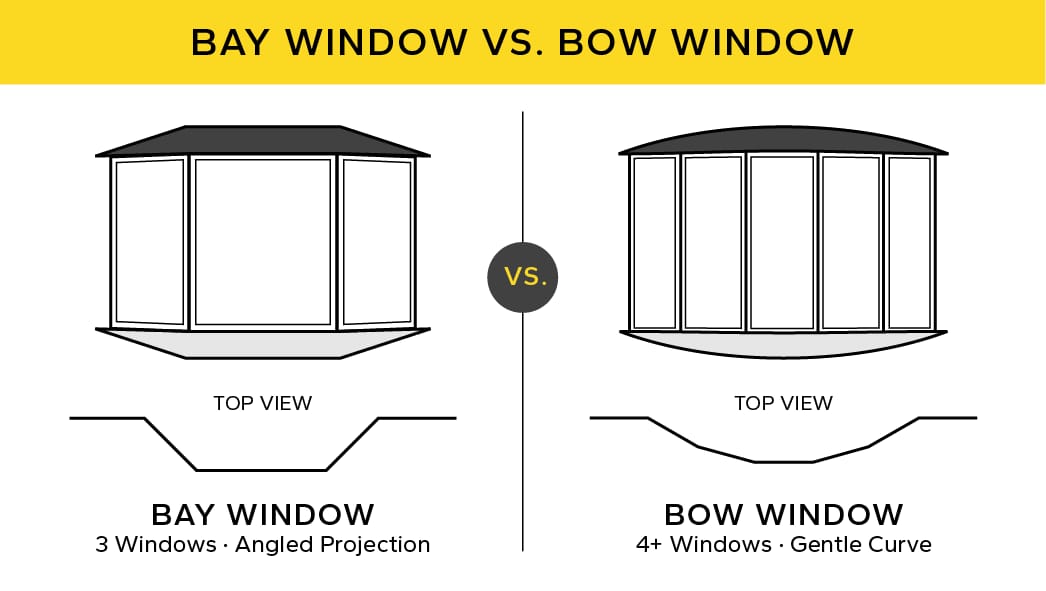
Comparing Bay Windows vs. Bow Windows
| Bay Windows | Bow Windows |
| Window Size | Exterior walls with 40 inches or more of space | Exterior walls or corners with 80 inches or more of space |
| Number of Windows | 3 windows; 30° and 45° angles | 4 or more windows; creates a more subtle curve |
| Ventilation | A picture window in the middle is typically flanked on either side by casement or double-hung windows | Commonly created with picture windows that do not open |
| Cost | $$$+ Less expensive than bow windows | $$$$+ More expensive than bay windows |
| Common Home Style | Transitional, Contemporary | Traditional, Victorian |
What is a Bay Window?
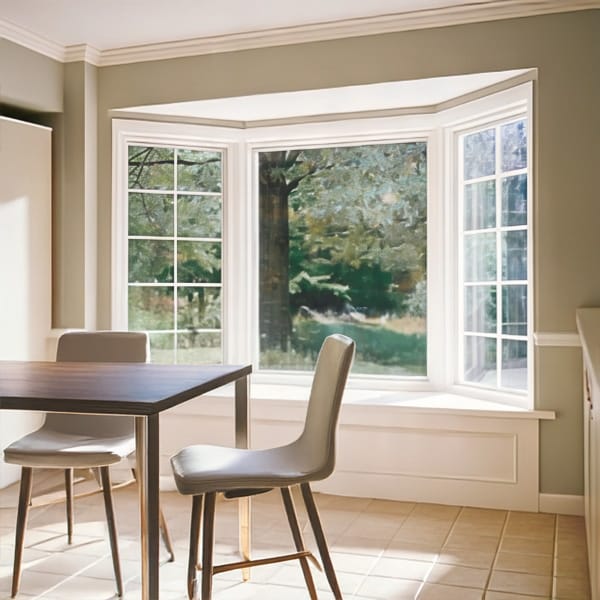
Bay windows usually have three windows: a big, fixed one in the middle and two smaller, angled ones on the sides that can open. The sharp, angled design of a bay window gives it a modern, architectural vibe while still looking great in more traditional homes. You’ll often see casement or double-hung windows used in bay setups. Plus, this kind of layout not only looks good but also adds a little extra room inside—perfect for a cozy reading nook or some extra storage.
What is a Bow Window?
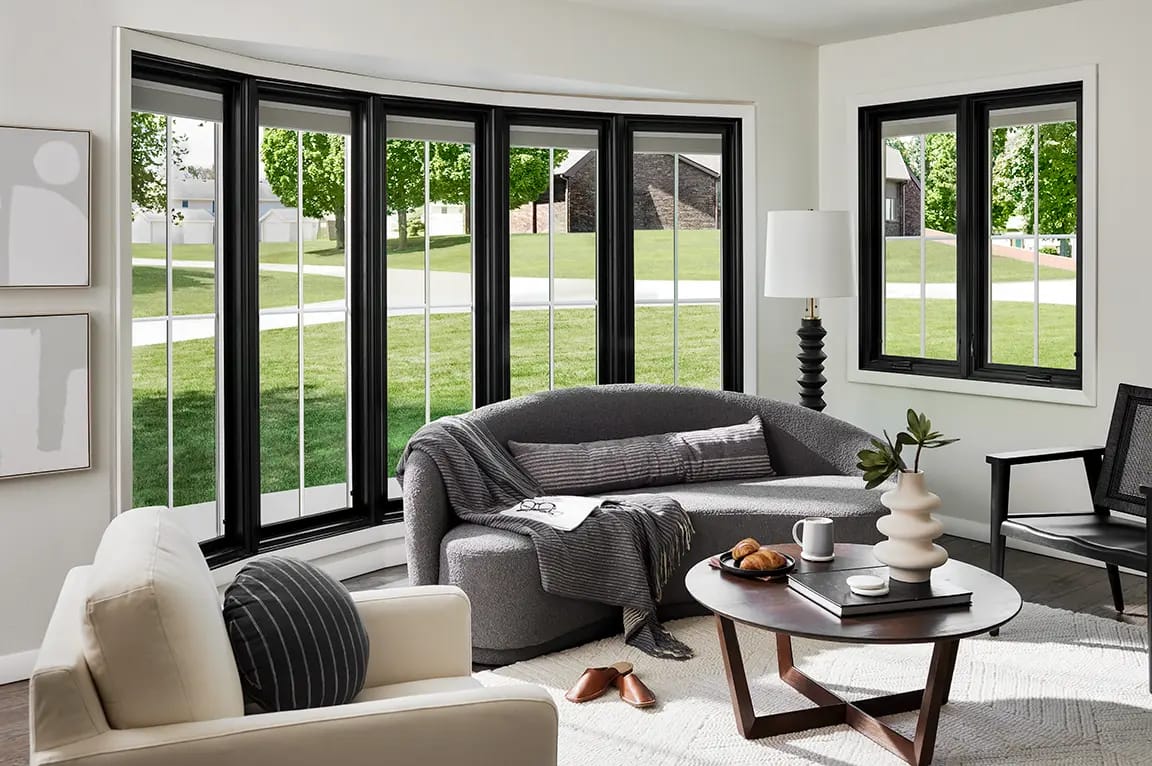
Bow windows usually consist of four or more windows that are all the same size, arranged in a gentle curve. You might also hear them called compass windows. These windows work well on wider exterior walls and can even wrap around a corner, giving your home a unique, rounded look. People love bow windows for their panoramic views and their smooth, elegant shape. They let in tons of natural light and are great for creating cozy seating areas that make the most of the curve.
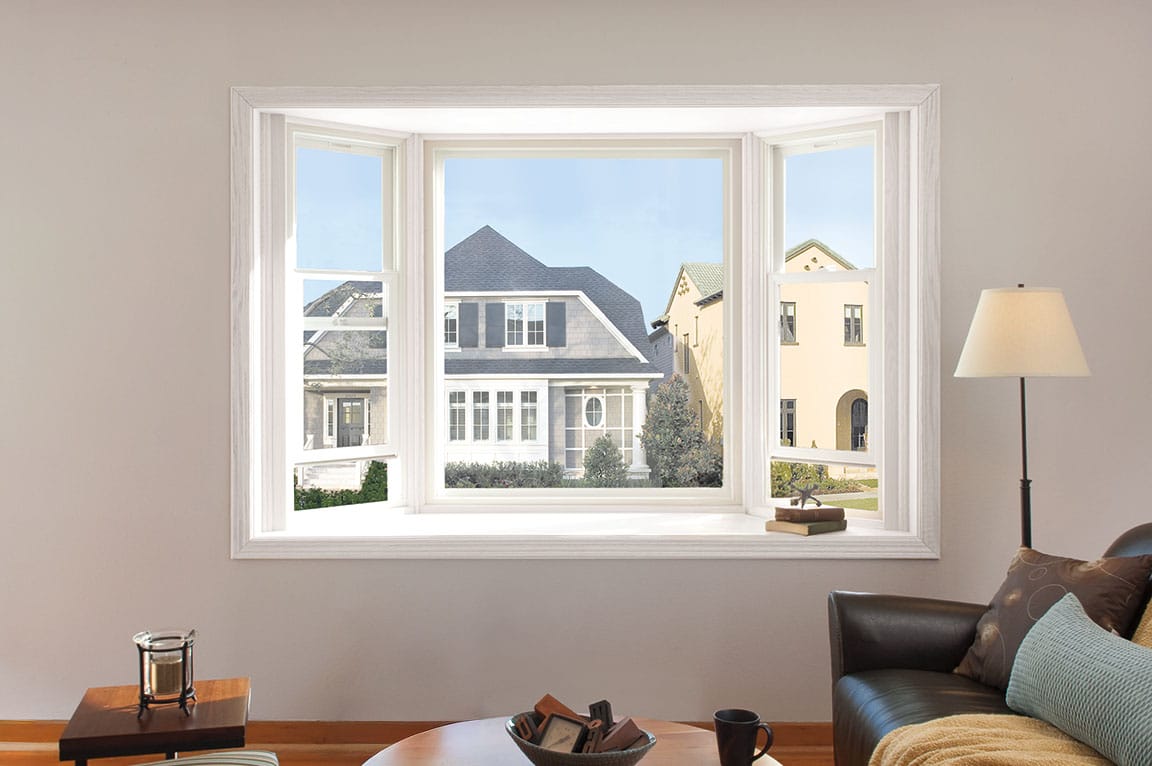
Key Differences Between Bay and Bow Windows
Even though both bay and bow windows stick out from your home and let in lots of natural light, they have some important differences. Knowing what sets them apart can help you pick the right one based on your style preferences, how you plan to use the space and your home's architecture. Here’s a quick breakdown of how each window type can give your space a unique touch:
- Design: Bays have three panels with sharper angles, while bows have four or more windows forming a curve.
- Appearance: Bay windows create a modern, angular look; bow windows offer a softer, more traditional silhouette.
- Light & Views: Bow windows let in more natural light and offer wider views.
- Space Requirements: Bow windows require more wall space and may need additional structural support.
- Cost: Bow windows are generally more expensive due to more glass and customization.
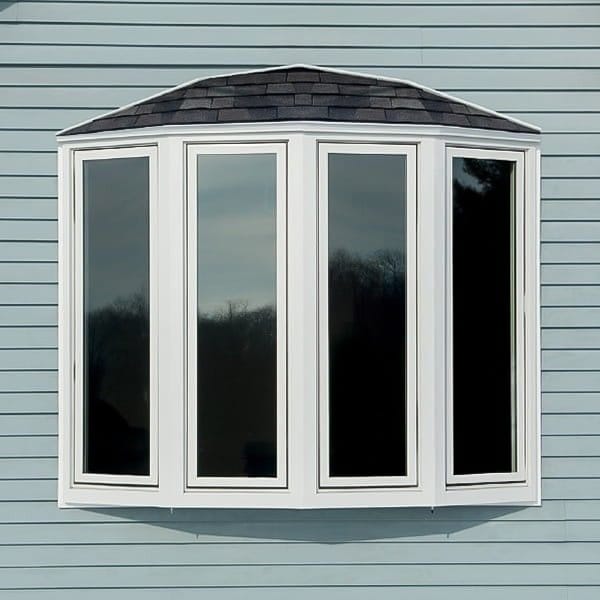
Benefits of Bay and Bow Windows
Bay and bow windows are great for boosting your home's curb appeal and making your interior feel more open and stylish. They both let in a lot of natural light, improve airflow and give you a little extra space that you can use in creative ways. Plus, they add some architectural character, making your home look more dynamic and inviting from the inside and out.
Bay windows are a great choice if you're working with a smaller space. Their angular shape creates a little nook that's perfect for a cozy seating area or some extra storage. On the flip side, bow windows really make an impact in bigger areas. Their curved design offers a wide, panoramic view and blends nicely with traditional or custom home styles. Whether you're going for a modern or classic look, there's a bay or bow window to match your vibe.
Popular Home Styles for Bay and Bow Windows
Bay and bow windows are flexible when it comes to style—they can work with many different home designs. Picking the right one really comes down to your home’s vibe and the kind of look you’re going for. Bay windows have that sharper, more modern feel, while bow windows offer a softer, rounded look that’s perfect if you want something a bit more traditional or classic.
Bay Windows: Great for transitional, cottage, Victorian and modern homes, where their bold, angular design complements both classic and contemporary architectural elements. These windows add visual depth to exterior walls and create functional, light-filled alcoves inside.
Bow Windows: Ideal for traditional, colonial and custom designs, where their gentle, curved appearance enhances the aesthetic with a soft, panoramic view. These windows are particularly suited for creating elegant, spacious seating areas that blend seamlessly with traditional home aesthetics.
Where Should You Use a Bay or Bow Window?
Bay and bow windows are perfect for making rooms feel bigger and more open, whether it’s your living room, kitchen, bedroom or dining area. They create a focal point that naturally draws the eye and makes the space feel more inviting. Plus, they’re great for adding some built-in features like a cozy window seat, display shelves or even a little indoor garden. You can use them to set up a breakfast nook, a comfy reading corner or even a relaxing bathtub alcove. With all that extra natural light and space, these windows are a simple way to make any room feel more welcoming.
Installation Considerations
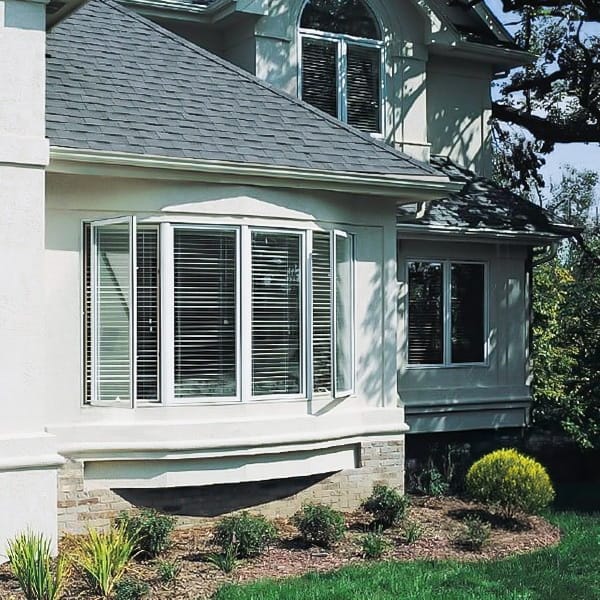
You can add bay and bow windows whether you're building a new house or updating an existing one. If you're replacing a flat window with one of these styles, you might need a little extra framing or even some advice from a structural engineer to make sure everything's secure. That’s where certified installers—like your local Pella expert—come in handy to make sure the job gets done right.
Maintenance and Longevity
Both bay and bow windows are built to last, and when it comes to long-term durability, the window material typically has a bigger impact than whether you choose a bay or bow style. Vinyl, fiberglass and wood each have their own upkeep needs, so it’s worth thinking about how much maintenance you’re comfortable with when picking a product line.
The number of windows in each style can also make a difference in day-to-day care. Bay windows generally have fewer window units and components to maintain since they’re usually made up of just three windows. Bow windows have more individual windows, which can mean more seals, hardware and glass to clean and care for over time.
With proper installation and routine maintenance, both bay and bow windows can provide long-lasting performance and beauty for years to come.
A Variety of Sizes Available
Bay and bow windows come in all sorts of sizes, so you can find the perfect fit for your home. Bow windows usually need a bit more width because of their curved design, making them great for larger spaces where you want a panoramic view. On the other hand, bay windows are more compact, so they’re perfect for tighter spots while still giving you that open, spacious feel.
Cost Comparison: Bay vs. Bow Windows
Bow windows tend to cost more due to their size and customization options. Bay windows are typically more affordable and easier to install. Pella offers both styles across various product lines, including:
Vinyl: Pella® 250 Series
Fiberglass: Pella Impervia®
Wood: Lifestyle Series and Reserve™ – Traditional
What Affects the Cost of Bay and Bow Windows?
Every bay and bow window project is a little different, and a few key factors play the biggest role in your final price:
- Size: Larger openings need more glass, framing and materials.
- Number of windows: Each additional window adds glass, frame and hardware.
- Window types: Operable casement or double-hung windows include hardware and screens that fixed picture windows don’t.
- Frame material: Vinyl, fiberglass and wood are priced differently.
- Glass and features: Upgrades like triple-pane glass, grilles or between-the-glass blinds and shades can add to the cost.
- Installation: The amount of structural, exterior and interior work your project needs affects labor costs.
Why Bow Windows Typically Cost More
Bow windows are usually made up of four to six windows, so they include more glass, more frame material and more hardware than a three-window bay. Their curved configuration is often built to fit a specific opening, and because they’re typically wider, they may need additional structural support to carry their weight. Together, these factors can add to both the product and installation costs.
Installation Considerations That Impact Pricing
Because bay and bow windows project beyond your home’s exterior wall, installing them is often more involved than installing a standard window. Swapping out an existing bay or bow for a new one of a similar size is usually the most straightforward option. Replacing a flat window with a bay or bow may require enlarging the opening, adding new framing and support, and building a roof and seat for the projection. Exterior trim, siding and interior finishing work can also affect your total project cost, which is why working with an experienced installer is so important.
How Window Material Affects Cost
- Vinyl: Typically the most budget-friendly option, with low-maintenance frames that never need painting.
- Fiberglass: Usually costs more than vinyl but offers exceptional strength and durability.
- Wood: Offers natural beauty and the most customization, typically at a higher price point. Aluminum-clad exteriors help reduce maintenance.
How to Choose Between Bay and Bow Windows
Both styles can add light, space and character to your home, so the right choice comes down to your wall space, the view you want, how you’ll use the room, your budget and your home’s architecture.
A bay window may be a better fit if:
- You’re working with a narrower wall, since bay windows fit exterior walls with 40 inches or more of space.
- You want a defined nook for a window seat, desk or extra storage.
- You want fresh air from operable side windows.
- You’re looking for a more budget-friendly option.
- Your home has a transitional, cottage, Victorian or modern style.
A bow window may be a better fit if:
- You have a wide wall or corner with 80 inches or more of space.
- You want panoramic views and as much natural light as possible.
- You’re designing a larger room, like a living room or great room.
- Your budget allows for a larger investment.
- Your home has a traditional, colonial or custom style.
Still deciding? A local Pella expert can look at your space in person and help you compare options side by side.
Have a Specific Bay or Bow Window Design in Mind?
Ready to enhance your home with more light, space, and style? Explore our bay and bow window options or schedule a free consultation with your local Pella expert.
Thinking about next steps?
Whether you’re exploring ideas or ready to talk details, we’re here to help. Schedule a consultation—or sign up for inspiration and real-home insights from Pella.
Frequently Asked Questions
Which is better, a bay or bow window?
It depends on your needs. Bay windows are ideal for more defined, angular spaces and ventilation, while bow windows provide a softer, rounded appearance with more natural light.
Can you replace a bow window with a bay window?
Yes, but it may require structural modifications since bow windows are larger and may have different framing requirements.
Do bow or bay windows add home value?
Yes, both styles can enhance curb appeal, improve natural lighting, and increase resale value. By creating additional usable space inside, like a window seat or breakfast nook, bay and bow windows may also contribute to a home’s perceived value.
Are bow and bay windows in style?
Yes. Bay and bow windows remain popular window styles and can complement a wide variety of architectural designs, from traditional and Victorian homes to modern builds.
Are bow or bay windows energy efficient?
Energy efficiency depends largely on the glass package, frame material and installation quality rather than the window style itself. Choosing energy-efficient glass and making sure the window is properly installed and insulated can help keep your home comfortable.
Do bow or bay windows open?
Do bay and bow windows require structural support?
Both may require additional structural support, especially in replacement projects, because they project beyond the home’s exterior wall. A professional installer can determine what your specific project needs.
Which window style lets in more light, bay or bow?
Bow windows typically let in more natural light because they feature more glass area and a wider viewing angle.