Impact Windows vs. Storm Windows vs. Hurricane Shutters: Which Is Best?
When it comes to preparing your home for a hurricane or coastal storm, learn why investing in impact windows is better than storm windows and rolling or accordion exterior hurricane shutters.

Preparing your home for hurricane season means choosing the right type of protection before severe weather arrives. If you've started researching impact windows vs. hurricane shutters or comparing impact windows vs. storm windows, you've probably noticed that these products are often confused with one another—even though they serve very different purposes.
This guide compares impact windows (also called hurricane windows), storm windows and hurricane shutters side by side. You'll learn how each option works, how much protection it offers, typical costs, insurance considerations and which solution may be the best fit for your home.
The Three Options at a Glance
Although these products have similar names, they serve different purposes. A common misconception is that storm windows provide hurricane protection. In reality, storm windows are designed to improve comfort and energy efficiency, while impact windows, also called hurricane windows, feature impact-resistant laminated glass designed to help protect homes during hurricanes and other severe weather events.
| Option | Best For |
| Impact Windows (Hurricane Windows) |
|
| Storm Windows |
|
| Hurricane Shutters |
|
For homeowners comparing these options, the decision often comes down to four factors:
- The level of storm protection you need
- Your budget and long-term investment goals
- Local building code requirements
- Whether you want certain year-round benefits or protection only during severe weather
The sections below take a closer look at each option before comparing them side by side, including protection levels, costs, insurance considerations and which solution makes the most sense for different types of homes.
Impact Windows (Also Called Hurricane Windows)
Impact windows, often called hurricane windows, are replacement or new construction windows engineered to help protect homes from hurricane-force winds and windborne debris. Unlike temporary storm protection products, they remain in place year-round, so once closed and locked, no additional preparation is needed before most storms.
Impact windows use laminated glass—two panes bonded by a durable polymer interlayer—and reinforced frames engineered for severe weather. If struck by flying debris, the glass may crack, but the interlayer helps hold broken pieces together to reduce wind, rain and debris intrusion.
Pella® Hurricane Shield Series™ impact windows are tested to meet ASTM E1996 Missile Level D requirements and undergo pressure cycling to simulate hurricane conditions.
In some areas, local building codes require protection against windborne debris. Impact-rated windows are one way to meet this requirement, along with other approved options such as storm shutters or protective panels, particularly in Florida's High Velocity Hurricane Zone (HVHZ) and some Texas coastal counties. Always verify local requirements before starting a project.
In addition to storm protection, impact windows offer everyday benefits, which may include:
- Energy efficiency: Helps reduce heat transfer.
- UV protection: Low-E glass helps reduce fading.
- Noise reduction: Laminated glass helps reduce outside noise.
- Enhanced security: Harder to penetrate than standard glass.
Impact windows are often the best choice for:
- Homes in hurricane-prone coastal regions
- Homeowners replacing existing windows who want built-in storm protection
- Vacation homes or anyone who prefers not to deploy shutters
If you're considering impact windows for your home, learn more about hurricane windows or explore Pella's impact-resistant window solutions to determine which products are designed for your location and local building code requirements.
Storm Windows
Storm windows are secondary glass panels installed over existing windows to improve insulation, reduce drafts and help create a more comfortable indoor environment. Installed over existing windows rather than replacing them, they add an extra layer of insulation that can improve energy efficiency, reduce outside noise and minimize air leaks in older homes.
Although storm windows improve comfort and energy efficiency, they are not impact-rated and are not designed to withstand hurricane-force winds or flying debris.
Because they are not impact-resistant, storm windows generally do not:
- Protect against flying debris
- Meet hurricane impact requirements
- Qualify for windstorm insurance discounts
Instead, storm windows are best suited for homeowners who want to improve the performance of existing windows without replacing them.
They may be a practical solution for:
- Older or historic homes with existing windows in good condition
- Homeowners focused on improving insulation and comfort
- Budget-conscious homeowners not seeking hurricane protection
Storm windows are also one of the least expensive options discussed in this guide, typically costing between $100 and $400 per window, depending on the size, style and materials selected.* Because they are installed over existing windows rather than replacing them, installation costs are generally much lower than a full window replacement project.
Homeowners in hurricane-prone regions should consider impact windows or code-approved hurricane shutters instead.
Hurricane Shutters
Hurricane shutters are exterior barriers installed over windows and doors to help protect a home from flying debris during hurricanes and tropical storms. Unlike impact windows, they only provide protection when properly deployed before a storm.
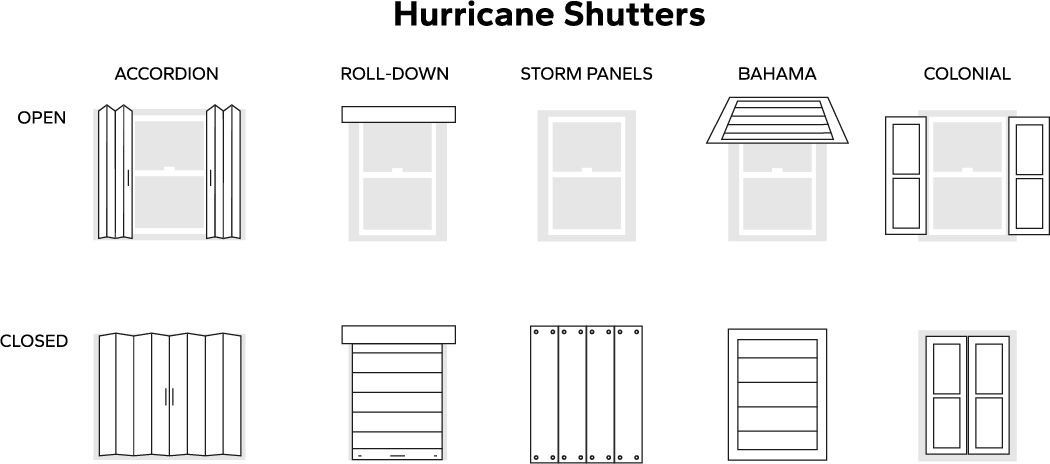
Hurricane shutters are available in several styles. Some are permanently attached and fold or roll into place, while others are stored separately and installed only when required. The best option depends on your budget, home's architecture and local storm risk.
| Hurricane shutter type | How it works | Key advantages | Main considerations |
| Accordion | Permanently mounted and folds out before a storm | Always attached, no storage needed, relatively affordable | Manual deployment |
| Roll-down | Lowers from a housing above the window or door (manual or motorized) | Fast, convenient, easy storm preparation | Typically the most expensive option |
| Storm panels | Removable metal or polycarbonate panels installed before storms | Low cost, minimal visual impact when not in use | Must be stored and installed before each storm |
| Bahama | Hinged above the window and lowered for storms | Provides shade, coastal style, don’t need to be re-installed before storms | Changes the home's exterior appearance |
| Colonial | Hinged on the sides and swings closed when needed | Traditional appearance with built-in protection | Decorative style may not suit every home |
Hurricane Shutter Benefits and Considerations
One of the biggest advantages of code-approved hurricane shutters vs. impact resistant windows is cost. For many homeowners, shutters provide impact protection at a significantly lower upfront investment than replacing every window in the home with impact-rated products. Depending on the shutter style selected and the size of the home, professionally installed hurricane shutters typically cost between approximately $1,500 and $5,900, depending on the shutter style, materials and installation complexity.**
Considerations:
- Only provide protection when deployed before a storm
- Require periodic inspection and maintenance of hinges, tracks and locking mechanisms
- Some styles remain visible year-round
- Certain HOAs or neighborhoods may restrict some shutter types
Hurricane shutters may be a good fit for:
- Homeowners seeking a lower-cost alternative to full window replacement
- Code-approved shutters can satisfy local requirements in both High Velocity Hurricane Zones and other areas, provided they meet the applicable standard for that zone — such as Miami-Dade NOA/TAS 201-203 approval in HVHZ, or ASTM E1996/E1886 elsewhere.
- Vacation or second homes where year-round energy efficiency and comfort improvements are less of a priority
- Homeowners who don't mind preparing their homes before an approaching storm
Hurricane shutters can also be installed over patio doors. If you're considering replacing an existing door instead, learn more about impact-rated patio doors and how they compare with other hurricane protection options.
Side-by-Side Comparison
If you're comparing impact windows, hurricane shutters and storm windows, looking at the features side by side can help simplify the decision. While impact windows and hurricane shutters are designed to help protect against hurricane-force winds and windborne debris, storm windows improve insulation and comfort but are not impact-rated.
The table below compares the three options across the factors homeowners most often consider.
| Feature | Impact Windows | Storm Windows | Hurricane Shutters |
| Flying debris protection | ✔ | ✖ | ✔† |
| Hurricane-force wind protection | ✔ | ✖ | ✔† |
| May meet code requirements | ✔ | ✖ | ✔ |
| Requires deployment before storm | ✖ | ✖ | ✔ |
| Year-round protection | ✔ | ✖ | Partial |
| Energy efficiency | ✔ | ✔ | ✖ |
| Noise reduction | ✔ | ✔ | ✖ |
| Enhanced security | ✔ | ✖ | ✔ |
| Maintenance | Low | Low | Moderate |
| Potential insurance discounts | ✔ | ✖ | ✔ |
| Upfront investment | Highest | Lowest | Moderate |
Although the comparison highlights important differences, three factors tend to have the biggest impact on a homeowner's decision: protection, convenience and long-term value.
Protection That Doesn't Depend on the Forecast
Impact windows provide continuous protection because they're always installed and ready to perform when closed and locked. Hurricane shutters can also help protect a home during severe weather, but only after they've been deployed correctly before the storm arrives. If a hurricane develops while you're traveling or away from home, shutters may not be in place when they're needed.
Year-Round Performance Beyond Storm Season
Impact windows continue providing benefits long after hurricane season ends. In addition to impact resistance, they can improve energy efficiency, reduce outside noise, help block UV rays and provide an added layer of security. Storm windows also offer everyday benefits by improving insulation and comfort, while hurricane shutters primarily provide value during severe weather events.
Considering the Total Cost of Ownership
While hurricane shutters generally have a lower upfront cost than impact windows, homeowners should also consider long-term value, convenience and maintenance requirements. The best choice depends on your budget, priorities and level of hurricane protection needed.
The next section compares typical costs, the factors that influence pricing and key long-term financial considerations.
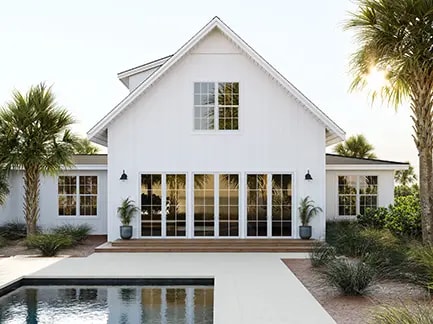
Hurricane Windows
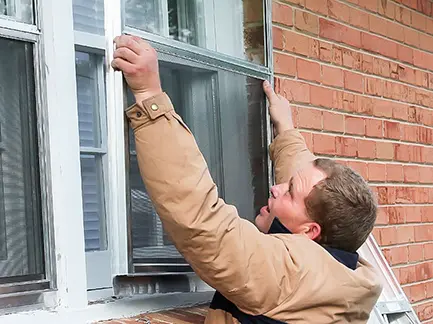
Storm Windows
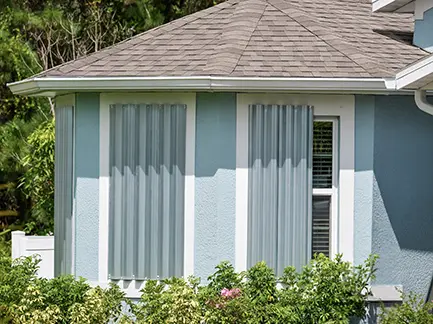
Hurricane Shutters
Cost Comparison
Cost is often a major factor when choosing between impact windows, storm windows and hurricane shutters. Because these products serve different purposes, comparing upfront prices alone doesn't provide the full picture.
Storm windows, hurricane shutters, and impact windows are all designed to perform under everyday conditions, with each offering a different approach to severe weather protection — storm windows improve insulation, shutters provide temporary storm coverage, and impact windows offer permanent replacement protection.
Impact Windows (Hurricane Windows)
- Typically cost $4,250 to $19,850 for a whole-home installation**
- Highest upfront investment
- Provide permanent hurricane protection without additional preparation
- May offer long-term value through energy efficiency, noise reduction and UV protection
Hurricane Shutters
- Typically cost $1,500 to $5,900 for a professionally installed system**
- Lower upfront investment than impact windows
- Require deployment before storms and ongoing maintenance
- Costs vary by shutter style, materials and installation complexity
Storm Windows
- Typically cost $100 to $400 per window**
- Lowest upfront cost
- Improve insulation, reduce drafts and can help reduce outside noise
- Not impact-rated and should not be considered hurricane protection
Long-Term Value and Considerations
When comparing impact windows, storm windows and hurricane shutters, it's important to look beyond the upfront investment and consider factors such as insurance eligibility, maintenance requirements and long-term performance.
- Impact windows combine hurricane protection with everyday benefits such as energy efficiency, noise reduction, UV protection and enhanced security.
- Hurricane shutters typically have a lower upfront cost than impact windows and may qualify for windstorm insurance discounts in some areas, but they require deployment before storms and ongoing maintenance.
- Storm windows can improve comfort and energy efficiency but are not impact-rated and generally do not qualify for windstorm mitigation discounts.
Insurance requirements vary by location and provider. For example, qualifying impact windows and code-approved hurricane shutters may be eligible for windstorm mitigation discounts in Florida, while some coastal Texas properties may require additional documentation to verify compliance with local windstorm requirements.
Maintenance is another consideration. Impact windows typically require routine window maintenance, while hurricane shutters should be inspected regularly and deployed before severe weather. Storm windows generally require little maintenance but may depend on the condition of the existing windows beneath them.
Ultimately, the best long-term value depends on your home's location, budget and priorities. Impact windows provide always-ready protection and year-round performance benefits, hurricane shutters offer a lower-cost hurricane protection option and storm windows are designed primarily to improve comfort and energy efficiency.
If you're budgeting for a window replacement project, explore Pella's additional resources on whole-house replacement window costs, replacement window costs by material and the factors that affect replacement window pricing.
Which Option Is Right for You?
The best option depends on your budget, priorities and the level of protection you're looking for. Use these general guidelines to determine which solution may be the best fit for your home:
- Best for Year-Round Performance: Impact windows provide permanent hurricane protection along with everyday benefits such as energy efficiency, noise reduction, UV protection and enhanced security.
- Best for a Lower Upfront Investment: Hurricane shutters offer a more affordable way to help protect your home from flying debris, but they must be deployed before a storm to provide protection.
- Best for Improving Comfort and Energy Efficiency: Storm windows can reduce drafts and improve insulation in older homes, but they are not designed to protect against hurricane-force winds or flying debris.
- Best for Balancing Cost and Protection: A combination of impact windows and hurricane shutters may be worth considering. Some homeowners install impact windows in primary living areas and use shutters in less frequently used spaces to help manage costs.
When It May Be Time to Upgrade to Impact Windows
If you're already planning to replace your windows or have grown tired of deploying shutters before every storm, impact windows may be worth considering. They combine built-in hurricane protection with everyday performance benefits that continue year-round.
Schedule a Free Consultation
Whether you're replacing a few windows or planning a whole-home project, Pella can help you explore impact-resistant products designed for coastal environments and severe weather conditions.
**Based on "IMPACT WINDOWS VS. HURRICANE SHUTTERS: WHICH ONE IS BETTER?” published by BARBARA BELLESI ZITO, HTTPS://WWW.ANGI.COM/ARTICLES/IMPACT-VS-HURRICANE-SHUTTERS.HTM, accessed AUGUST 3, 2026
Thinking about next steps?
Whether you’re exploring ideas or ready to talk details, we’re here to help. Schedule a consultation—or sign up for inspiration and real-home insights from Pella.
Frequently Asked Questions
Are impact windows or hurricane shutters better?
The right choice depends on your home's location, budget and priorities. Impact windows can provide built-in, year-round protection, while hurricane shutters typically cost less upfront but must be deployed before a storm.
What's the difference between storm windows and hurricane windows?
Storm windows improve insulation, reduce drafts and help minimize outside noise. Hurricane windows (impact windows) are replacement windows with reinforced frames and laminated glass designed to help protect homes from hurricane-force winds and flying debris.
How much do impact windows cost compared to hurricane shutters?
Impact windows generally cost more upfront because they replace existing windows can provide year-round benefits. Hurricane shutters typically cost less initially, though the total cost of either option depends on your home, the products selected and installation requirements.
Do hurricane shutters or impact windows provide a bigger insurance discount?
Both impact windows and qualifying hurricane shutters may qualify for windstorm insurance discounts, depending on local requirements and your insurance carrier. Storm windows generally do not qualify because they are not impact-rated.
Can I have both impact windows and hurricane shutters?
Yes. Some homeowners combine impact windows and hurricane shutters to balance protection, convenience and overall project cost.
Do storm windows protect against hurricanes?
No. Storm windows improve insulation and comfort but are not impact-rated for hurricane protection. Homeowners in hurricane-prone areas should consider impact windows or code-approved hurricane shutters instead.